Categories
AI

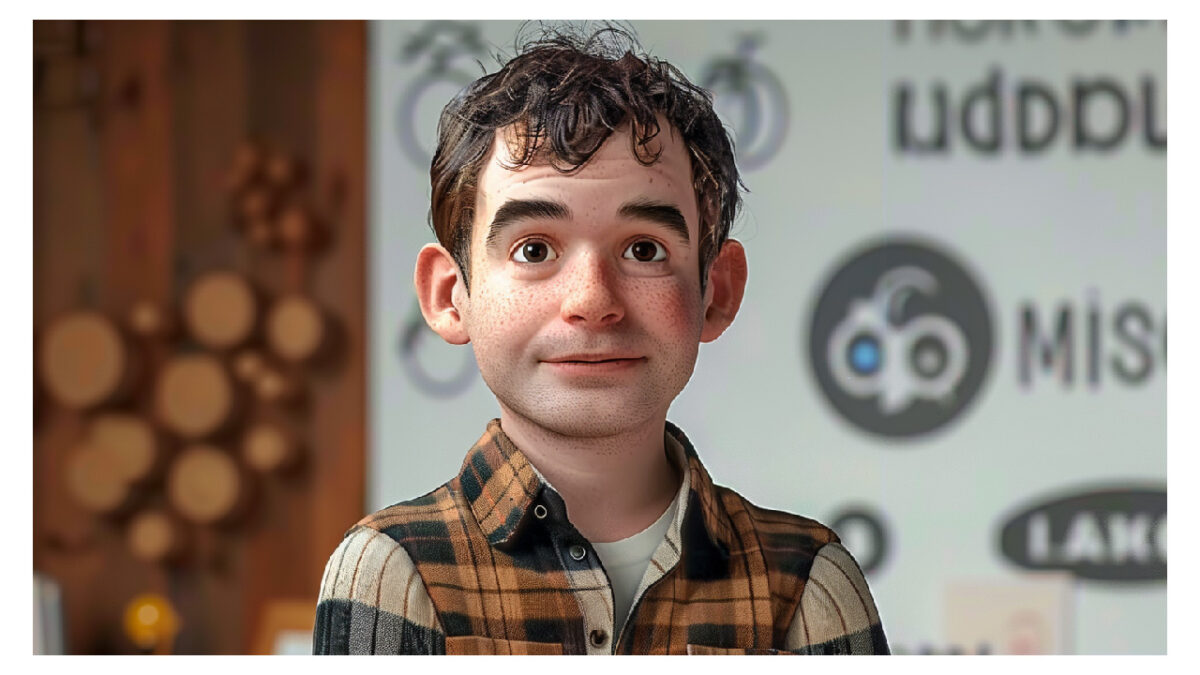
Meta Launches “AI Studio” for Instagram Creators to Build AI Avatars

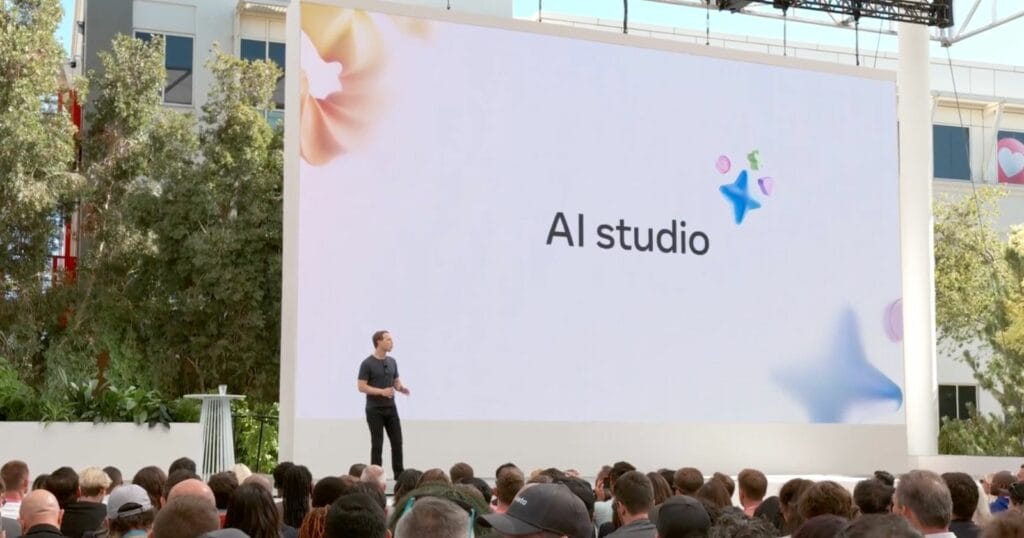
Meta has been working on it for a while, and today marks the launch of the first stage of its “AI Studio” platform. This new feature will allow creators on Instagram to build AI versions of themselves that can interact with fans via direct messages.

Currently in beta and limited testing with selected creators, Meta’s custom AI bots will be able to answer questions in the style of the account holder. These AI bots will be identified with a stars icon on the message tab, indicating that the responses are generated by a bot. Additionally, there are disclaimer notes in the chat to clarify that users are engaging with an AI bot, not the actual person or account holder.
Meta Connect 2023: Quest 3, AI, smart glasses but at what prices?

Meta CEO Mark Zuckerberg announced the launch during an interview with YouTuber Kane Sutter, where he also touched on Meta’s broader AI plans. Zuckerberg’s comments were generally broad-reaching, hinting at future AI updates like improved translation and hologram-like projections of real people in virtual reality. However, the main announcement was the live testing of AI Studio with selected Instagram creators in the U.S.

Meta AI Studio example

According to Zuckerberg, AI Studio will enable creators to build AI versions of themselves to interact with their community. This process, which was recently uncovered by app researcher Alessandro Paluzzi, will be integrated into Instagram and provide various prompts and tools to generate these AI bot variations. The primary use case, as described by Zuckerberg, is to answer fact-based queries. The more challenging aspect will be generating creative responses that replicate the style of the creator. Creators will have the freedom to train their bots on different aspects of their social media presence, allowing them to create more life-like replicas of themselves.

Meta AI Studio example

Despite this, Meta is cautious about not misleading users into thinking they are interacting with the real person. Zuckerberg mentioned that they are still refining the AI disclosure elements, but there are several signifiers in place to indicate that the responses are from a bot.

Sutter raised a critical point during his interview with Zuckerberg, expressing concerns about eroding the genuine connection between creators and their audiences. Zuckerberg downplayed these concerns, but the issue remains: does it add value to have AI bots that simulate real humans, especially on platforms designed for authentic interaction?

This development seems to deviate from the core purpose of social media, potentially turning it into a space where bots interact with bots, sidelining real human engagement in favor of automation. Users have long complained about bots and inauthentic interactions on social apps. So why is Meta now promoting this shift, effectively replacing humans with bots?

Zuckerberg argues that the advanced technology makes these AI interactions more convincing and valuable. However, it still feels like an odd direction for Meta to take. Is there truly a demand for AI versions of celebrities and influencers? Will this enhance the user experience?

Instagram AI creation

Zuckerberg also mentioned that, eventually, users will be able to create their own user-generated content (UGC) AI characters, capable of interacting with others in various styles. Yet, the question remains: is there actual demand for this? Will it add meaningful value?

Meta’s initial experiments with celebrity-influenced bots didn’t seem to gain much traction, but the company is pushing forward, aiming to increase bot engagement in the platform. Only time will tell if this new direction will resonate with users or if it will further blur the lines of genuine social interaction.
Categories
AI

OpenAI CTO’s Comments on AI and Creativity Spark Outrage in Artistic Community

With each passing week, it’s becoming increasingly clear that whenever executives from major AI development companies participate in interviews, whether friendly or not, they often end up enraging the artistic community. They seem unable to resist admitting that their AI innovations will replace human jobs, while simultaneously performing mental gymnastics to justify why this displacement is beneficial.

Take, for example, a recent interview with Mira Murati, Chief Technology Officer at OpenAI, conducted by Dartmouth Engineering. Previously criticized for dodging questions about the training methods of OpenAI’s text-to-video AI, Sora, Murati once again stirred controversy. During the discussion about AI’s impact on human creativity, she admitted that AI’s expansion would lead to job losses, provoking widespread anger among digital and real-life artists.

Murati added fuel to the fire by suggesting that jobs taken over by AI “shouldn’t have been here in the first place.” This statement implied that AI mainly affects beginners and low-skilled creators, an interpretation that many found insulting. The backlash was swift, with viewers disliking the original video en masse and flooding social media with angry comments.

In an attempt to mitigate the fallout, Murati later took to Twitter to clarify her remarks. She argued that there is a distinction “between temporary creative tasks and those that add lasting meaning and value to society,” seemingly suggesting that only high-quality, museum-worthy art deserves protection from AI’s encroachment. Her statement read: “Just like spreadsheets changed things for accountants and bookkeepers, AI tools can handle tasks like writing online ads or creating generic images and templates. But it’s important to recognize the difference between temporary creative tasks and those that add lasting meaning and value to society. With AI tools taking on more repetitive or mechanistic aspects of the creative process, human creators can focus on higher-level creative thinking and choices. This lets artists stay in control of their vision and focus their energy on the most important parts of their work.”

Despite her efforts, Murati’s clarification did little to quell the anger. The lengthy statement, filled with buzzwords, seemed to bury the core message, further frustrating the artistic community.

What do you think about all this? How do you feel about Murati’s and OpenAI’s stance on human artists? Do you have a job that “shouldn’t have been here in the first place”? Share your thoughts in the comments!

Categories
AI

Apple’s Battle with the EU Heats Up Over Digital Markets Act

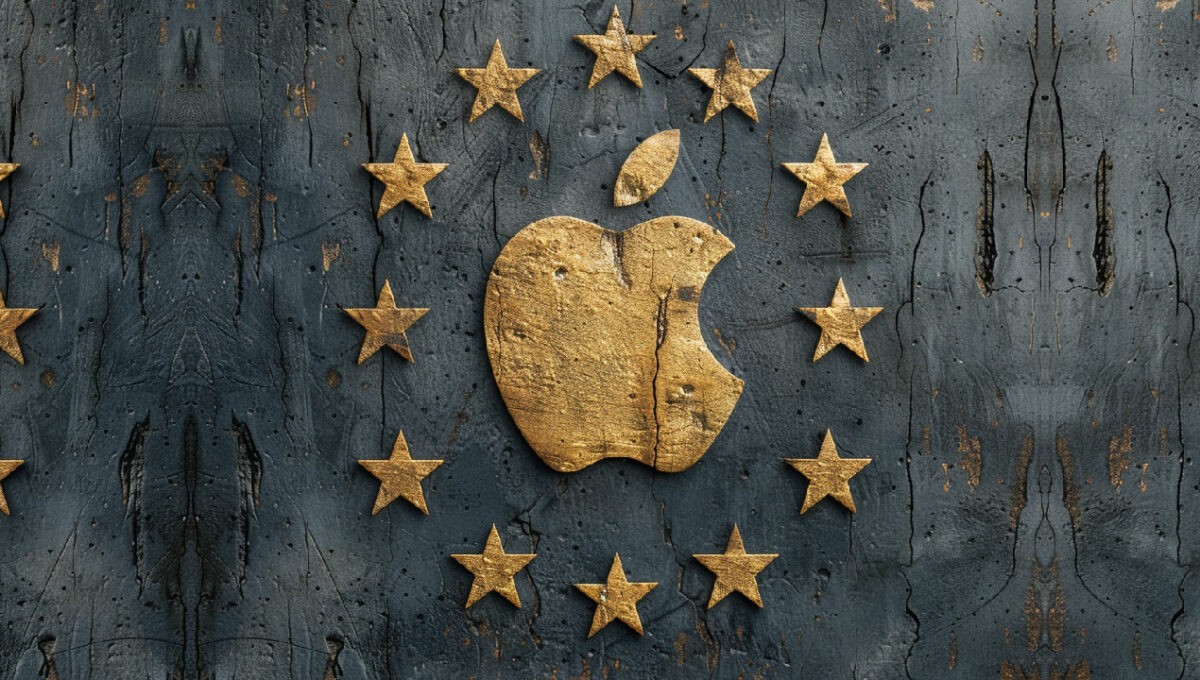
Apple’s conflict with the European Union is intensifying. On Friday, Apple confirmed it wouldn’t be releasing several new features to EU users due to “regulatory uncertainties brought about by the Digital Markets Act (DMA).” In a statement, Apple said:

“We do not believe that we will be able to roll out three of these features – iPhone Mirroring, SharePlay Screen Sharing enhancements, and Apple Intelligence – to our EU users this year.

Specifically, we are concerned that the interoperability requirements of the DMA could force us to compromise the integrity of our products in ways that risk user privacy and data security. We are committed to collaborating with the European Commission in an attempt to find a solution that would enable us to deliver these features to our EU customers without compromising their safety.”

This statement can be interpreted in different ways. If you believe the EU’s regulation is overly restrictive, protectionist, and unclear, then Apple’s cautious approach makes sense. By limiting product launches to uncontroversial features, Apple aims to avoid potential multibillion-euro fines.

Conversely, if you see Apple’s reaction as one of defiant compliance, outraged by an authority it perceives as less legitimate than its own, then this move could be viewed as an attempt to deter other governments from adopting similar regulations.

The EU, however, is not backing down. On Monday, it announced plans to sue Apple for noncompliance:

“In preliminary findings, against which Apple can appeal, the European Commission said it believed its rules of engagement did not comply with the Digital Markets Act (DMA) “as they prevent app developers from freely steering consumers to alternative channels for offers and content”.

Additionally, the commission has opened a new non-compliance procedure against Apple over concerns that its new contract terms for third-party app developers also fall short of the DMA’s requirements.”

For the EU, the principle is straightforward: if a European customer wants to do business with a European company, no external entity should hinder that market’s operation. This aligns closely with the founding ideals of the bloc.

However, this isn’t exactly what the DMA states, which is where the conflict arises. Apple aims to adhere strictly to the law while maintaining control over its platforms, whereas the EU seeks to interpret the law to facilitate smooth commerce. The outcome of this legal battle remains uncertain, but it’s clear that the appeals process is just beginning.

Categories
AI

Safe Superintelligence Inc. (SSI)

Ilya Sutskever, a prominent figure in the AI community and co-founder of OpenAI, has embarked on a new venture by founding Safe Superintelligence Inc. (SSI). Sutskever, known for his contributions to the development of AI and deep learning, particularly through his co-authorship of the groundbreaking AlexNet paper in 2012, is now directing his efforts towards creating superintelligent AI that prioritizes safety and reliability.

SSI’s core mission is to tackle what it identifies as the “most important technical problem of our time”: the development of superintelligent AI that is both safe and reliable. This goal underscores the increasing concern within the AI research community about the potential risks associated with highly advanced AI systems. Sutskever and his team are focused on ensuring that as AI systems become more capable, they remain aligned with human values and safety protocols to prevent unintended and potentially catastrophic outcomes.

To achieve its ambitious objectives, SSI plans to assemble a “lean, cracked team of the world’s best engineers and researchers.” This approach emphasizes a streamlined and highly skilled team capable of making significant strides in the complex field of AI safety. By attracting top talent, SSI aims to innovate and develop advanced methodologies for ensuring that superintelligent AI systems are not only powerful but also controllable and aligned with ethical guidelines.

Sutskever’s decision to form SSI comes after a period of significant activity and controversy at OpenAI. As a member of the OpenAI board, he was involved in the temporary removal of Sam Altman as CEO in November 2023. Reports suggest that Sutskever had previously voiced concerns about the pace of commercialization under Altman’s leadership and the associated safety risks. These concerns highlight a broader debate within the AI community about the balance between rapid technological advancement and the necessity of rigorous safety measures.

The establishment of SSI appears to be Sutskever’s proactive response to these concerns. By founding a company dedicated to the safe development of superintelligent AI, Sutskever is positioning himself and his team at the forefront of the effort to mitigate risks associated with advanced AI. This move reflects his commitment to addressing the potential dangers of AI head-on, ensuring that the powerful tools created by AI research are beneficial and not harmful to society.

SSI’s formation marks a significant development in the AI landscape. With a figure of Sutskever’s stature focusing on AI safety, it brings increased attention and credibility to the field. His background, including his seminal work on AlexNet, provides a strong foundation for tackling the complex challenges associated with superintelligent AI. Furthermore, SSI’s emphasis on assembling a top-tier team suggests a focused and high-impact approach to research and development in AI safety.

Categories
AI

Revolutionizing Customer Experience: The Next Generation of Contact Centers

Contact Center as a Service (CCaaS) platforms were introduced with high expectations: rapid AI innovation and new engagement channels. Yet, a decade after their debut, the customer service experience remains largely unchanged. Customers still endure repetitive questions, long wait times, and the frustrations of traditional Interactive Voice Response (IVR) systems.

Thankfully, some forward-thinking contact centers are challenging the outdated “press one for this, press two for that” model. As a McKinsey & Company report highlights, “IVR systems are evolving from dumb menu systems into smart ‘voicebots’.”

Smart voicebots are transforming the way contact centers handle customer inquiries. These AI-driven bots can understand customer intent through natural language processing, routing them to the most appropriate agent—whether live or virtual—via their preferred communication channel.

Innovative contact centers are taking this technology a step further. By engaging with customers while they wait, voicebots can gather important information about their queries. This pre-emptive data collection allows agents to begin conversations with a clear understanding of the customer’s needs, reducing the interaction time by up to 45 seconds and improving overall satisfaction for both customers and agents.

Modern contact centers are not just enhancing the customer experience within existing channels but are rethinking the entire interaction process. Gurpreet Singh Kohli, SVP and Global Head of Telecom & Networks at HCLTech, advocates for proactive escalation based on customer needs. For instance, if a phone call would better resolve a customer’s issue than a live chat, the system should facilitate a seamless transition to a call.

This approach may seem counterintuitive since channels like live chat are typically cheaper. However, by analyzing key metrics such as average handling time (AHT), first contact resolution (FCR), and quality scores, contact centers can determine when a prompt escalation will actually reduce costs and improve service.

Looking ahead, Kohli envisions a future where customer contact handling focuses on intent-level journey orchestration. This strategy involves identifying the most common customer queries and designing the optimal resolution process, blending human expertise, AI, and various communication modalities.

Consider a scenario where a customer reports a broken order. The future contact center might verify the customer’s identity through fingerprint recognition, request a photo of the damaged item, and use image recognition AI to confirm the issue. An automated workflow could then initiate a recall and send a replacement. This streamlined process not only enhances efficiency but also reduces the need for multiple, separate workflows across different channels.

Transitioning to intent-level journey orchestration can be daunting. However, HCLTech offers invaluable support. With a global network of contact center consultants, extensive expertise, and strategic partnerships, HCLTech helps organizations innovate and create the next generation of contact centers.

For more information on how HCLTech is enabling the evolution of contact centers, visit their website and discover the future of customer experience.

Categories
AI

The Human Touch: Photographer Outsmarts AI in Prestigious Competition

Ever since the advent of generative AI, the age-old battle of man versus machine has been looking decidedly one-sided. However, one photographer, intent on making the case for pictures captured with the human eye, has taken the fight to his algorithm-powered rivals – and won.

Miles Astray, a 38-year-old photographer, decided to challenge the surge of AI-generated images sweeping through conventional photography contests. In a bold move, he submitted his own human-made image, titled “Flamingone,” to the AI category in the prestigious 1839 Awards. The striking photograph, depicting an orb of pink feathers standing on knobbly legs, managed to convince a panel of judges to award him third place in the AI-generated category.

Astray was motivated to break the rules after witnessing a series of AI-generated images winning traditional photography awards. “It occurred to me that I could twist this story inside down and upside out the way only a human could and would, by submitting a real photo into an AI competition,” he explained. He deliberately chose a surreal and seemingly unbelievable image that could easily be mistaken for an AI creation.

However, once it was revealed that no AI was involved in the making of “Flamingone,” Astray was stripped of his award, which included a cash prize. The bronze medal and people’s choice award were then given to two other creators. “AI can already produce incredibly real-looking content, and if that content meets an unquestioning eye, you can easily deceive entire audiences,” Astray said.

A lone flamingo with its head tucked, stands on the white sand of a beach, with gentle ocean waves in the background. The flamingo's pink and orange feathers contrast strikingly against the light-colored sand.
FLAMINGONE by Miles Astray which won an AI image contest.

Astray’s act of subversion highlights the growing need for skepticism and vigilance in the face of increasingly realistic AI-generated content. “Up until now, we never had much of a reason to question the authenticity of photos, videos, and audios. This has changed overnight, and we’ll need to adapt to this. It has never been more important to be questioning. That’s an individual responsibility that will be even more crucial than tagging and flagging AI content.”

In a statement, the competition’s organizers acknowledged Astray’s powerful message but maintained that his submission was unfair. “Each category has distinct criteria that entrants’ images must meet. His submission did not meet the requirements for the AI-generated image category. We understand that was the point, but we don’t want to prevent other artists from their shot at winning in the AI category. We hope this will bring awareness (and a message of hope) to other photographers worried about AI.”

Astray’s victory echoes the actions of German artist Boris Eldagsen, who made headlines the previous year by winning a Sony World Photography Award with an AI-generated image. Eldagsen defended his entry in the “creative open” category, arguing that the creation process was complex and involved much more than simply typing in a few words and clicking ‘generate.’

For Astray, the confusion his image caused is precisely the point. “If the amount of seemingly real fakes in circulation keeps increasing, it’ll be hard to keep up with what’s real and what’s not,” he said. “I couldn’t live the life I’m living without technology, so I don’t demonize it, but I think it’s often a double-edged sword with the potential to do both good and harm.”

As the lines between human and AI-generated content continue to blur, Astray’s provocative move serves as a reminder of the unique creativity and unpredictability that only a human can bring to the art of photography.

Categories
AI

AI on the Ballot: The Unconventional Candidacy of AI Steve in the UK Election

In an unprecedented move, an artificial intelligence candidate is set to appear on the ballot for the United Kingdom’s general election next month. “AI Steve,” represented by Sussex businessman Steve Endacott, will be running alongside human candidates to represent constituents in the Brighton Pavilion area of Brighton and Hove, a city on England’s southern coast.

“AI Steve is the AI co-pilot,” Endacott explained in an interview. “I’m the real politician going into Parliament, but I’m controlled by my co-pilot.” Endacott is the chairman of Neural Voice, a company specializing in creating personalized voice assistants for businesses using AI avatars. AI Steve is one of seven characters developed by Neural Voice to showcase their technology.

The innovative idea behind AI Steve is to utilize AI for creating a politician who is always available to engage with constituents and consider their views. People can interact with AI Steve through a dedicated website, where they can ask questions or share their opinions on Endacott’s policies. The AI, powered by a large language model, provides responses in both voice and text, drawing from a comprehensive database of party policies. If a particular issue lacks a policy, the AI will conduct internet research before engaging with the voter and encouraging them to suggest a policy.

AI Steve, accessible to the public, recently responded to a query about Brexit by saying, “As a democracy, the UK voted to leave, and it’s my responsibility to implement and optimize this decision regardless of my personal views on the matter.” It further asked, “Do you have any thoughts on how Brexit should be managed in the future?”

Endacott aims to engage thousands of what he calls “validators” – people he believes represent the average citizen, particularly Brighton locals with long daily commutes. “We’re asking them once a week to score our policies from 1 to 10. If a policy gets more than 50%, it gets passed. And that’s the official party policy,” he explained. “Every single policy, I will say that my decision is my voters’ decision. And I’m connected to my voters at any time on a weekly basis via electronic means.”

Endacott previously ran unsuccessfully in a local election under the Conservative Party, receiving less than 500 votes. This time, the unique nature of his candidacy sparked significant interest on social media, leading to around 1,000 calls to the AI proxy in one night. According to those calls, the top issues for voters were concerns about the safety of Palestinians, trash bins, bicycle lanes, immigration, and abortion.

Endacott believes that having an AI representative enables him to respond to thousands of potential constituents daily. “I don’t have to go knock on their door, get them out of bed when they don’t want to talk to me,” he said, contrasting this with what he calls “the old form of politics.” Instead, people can choose to contact AI Steve at their convenience.

Describing himself as a “centralist” who closely aligns with, but is not a part of, the Green Party, Endacott was unable to register his own party, Smarter U.K., in time for this year’s election. He insists that his use of the AI avatar is not to promote his business interests, as he holds less than a 10% share in Neural River, the platform behind AI Steve. His primary goal is to push the government to enact changes to reduce carbon emissions, whether through winning an election or becoming a political influencer.

If elected, AI Steve would be the first AI legislator in public office. While this concept may seem outlandish to some, Endacott emphasizes that his platform is “not a joke.” He clarifies that the AI is not replacing a human politician but is a tool to bring “more humans” into politics. “It’s not AI taking over the world. It’s AI being used as a technical way of connecting to our constituents and reinventing democracy by saying, ‘You don’t just vote for somebody every four years; you actually control the vote on an ongoing basis,’” he said. “Which is very, very radical in the U.K. Probably even more radical in America

Categories
AI

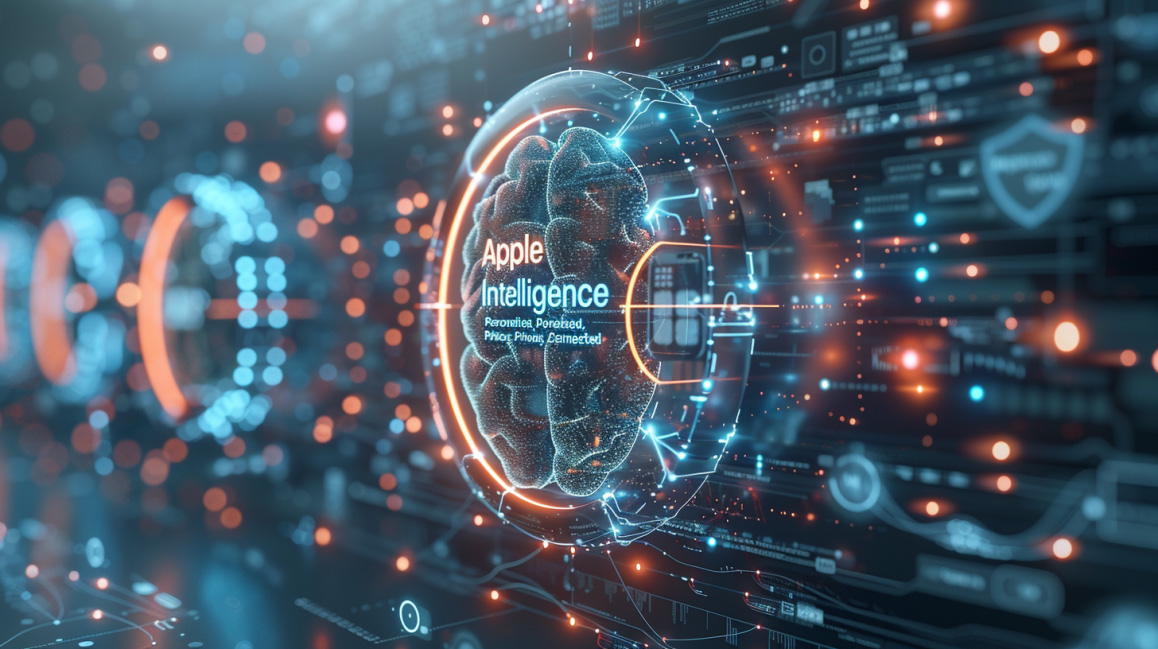
Apple Intelligence

At the highly anticipated WWDC 2024, Apple introduced Apple Intelligence, a groundbreaking suite of features designed to revolutionize user interaction across macOS Sequoia, iOS 18, and iPadOS 18. This new system aims to provide a deeply personalized experience, leveraging advanced AI capabilities while prioritizing user privacy.

Apple Intelligence is designed to understand and cater to individual user needs and preferences, marking a significant leap in personalized technology. By analyzing user habits and interactions, it offers tailored suggestions and actions that enhance productivity and convenience. Here are some examples of how it works:

Personalized Photo Management: Users can ask Apple Intelligence to “show all the photos of Mom, Olivia, and me from last summer.” The AI will quickly sift through the photo library and present the relevant images, saving time and effort.

Contextual Podcast Playback: If you want to “play the podcast my wife sent the other day,” Apple Intelligence will identify the specific podcast link from recent messages and start playing it, streamlining the process of finding and enjoying content.

One of the cornerstones of Apple Intelligence is its robust privacy framework. With the introduction of Private Cloud Compute, Apple ensures that even when leveraging powerful server-based models for complex tasks, user data remains secure and private. This hybrid approach combines the privacy of on-device processing with the enhanced computational power of cloud-based models, all while maintaining the highest standards of data protection.

The new intelligence system is equipped to handle a wide array of tasks seamlessly. Some practical applications include:

Automated Form Filling: When filling out forms, users can request, “Find a photo of my driver’s license and fill in the ID number.” Apple Intelligence will locate the relevant photo, extract the necessary information, and automatically input it into the form.

Enhanced Siri Queries: Siri now supports more complex queries, such as “How do I enable Dark Mode?” It will provide step-by-step instructions or directly navigate to the settings, making device management more intuitive.

Contextual Image Generation: Users can enhance their notes by circling empty spaces and letting Apple Intelligence suggest images that fit the surrounding context, making visual content creation straightforward and engaging.

Apple Intelligence is designed to integrate seamlessly with third-party tools, starting with the market leader ChatGPT from OpenAI. This integration allows Siri to tap into the expertise of ChatGPT for specialized tasks. For example:

Menu Planning: Users can ask, “What are some menu ideas for an elaborate dinner party?” Siri, leveraging ChatGPT, will provide detailed and creative menu suggestions, complete with recipes and preparation tips.

Content Creation: Need help with writing? You can request, “Draft an email to my team about the new project updates,” and Apple Intelligence will generate a polished and professional message based on your input and context.

Apple is also empowering developers to leverage these new capabilities with a range of tools and frameworks. Developers can now incorporate generative intelligence into their apps, thanks to features like on-device code completion and smart assistance for coding in Swift and SwiftUI. New APIs support the creation of complex 3D apps and volumetric content, enabling developers to build more intelligent and responsive applications.

Apple Intelligence represents a significant advancement in how users interact with their devices. By combining personalized, context-aware interactions with robust privacy protections, Apple is setting a new standard for intelligent technology. With the additional support for developers, Apple Intelligence is poised to inspire the creation of a new generation of innovative and user-friendly applications. WWDC 2024 has indeed marked a new chapter in Apple’s journey towards more intuitive and intelligent user experiences.

Categories
AI

The Rise of AI-Generated Hate Content: A Growing Concern Globally and in Africa

A recent viral video of Adolf Hitler delivering an English speech, manipulated using artificial intelligence, has highlighted a troubling trend: the rise of AI-generated hate content. This video, which spread rapidly on social media, exemplifies how AI is being exploited to create and disseminate harmful misinformation. This issue is not just a Western problem but has significant implications for Africa as well.

Peter Smith, a journalist with the Canadian Anti-Hate Network, has observed a surge in AI-generated hate content. Chris Tenove, assistant director at the University of British Columbia’s Centre for the Study of Democratic Institutions, noted that hate groups have historically been quick to adopt new technologies. This adaptability is seen in Africa too, where generative AI is increasingly used to spread divisive and harmful content.

A UN advisory body has expressed deep concerns about the potential for generative AI to amplify antisemitic, Islamophobic, racist, and xenophobic content globally. In Africa, this risk extends to the spread of ethnic hatred, xenophobia, and misinformation, which can inflame existing tensions and conflict.

AI-generated hate content has tangible effects beyond the digital realm. For instance, AI-created propaganda has been used to incite violence in ethnically diverse regions. Richard Robertson from B’nai Brith Canada highlighted a disturbing increase in AI-generated antisemitic images and videos. In Africa, similar tools have been used to create inflammatory content that targets specific ethnic groups or nationalities, fueling discord and violence.

Deepfakes, realistic AI-generated videos of public figures, have been used to spread misinformation. In Africa, deepfakes have falsely attributed statements and actions to political leaders, exacerbating tensions and spreading false information that can destabilize communities and governments.

Experts like Jimmy Lin from the University of Waterloo stress the importance of safeguards in AI systems. However, AI models can be manipulated or “jailbroken” to produce harmful content. In Africa, the lack of robust regulatory frameworks for AI technology makes it even more critical to implement effective safeguards.

Countries worldwide are beginning to address these issues through legislation. In Canada, Bill C-63 seeks to define and combat content that incites hatred, including AI-generated content. Similarly, African governments need to develop and implement regulations to control the misuse of AI. These could include laws to identify AI-generated content and assess risks to ensure the safe operation of AI systems.

The rise of AI-generated hate content is a pressing global issue with significant implications for Africa. Coordinated efforts from governments, technology companies, and researchers are essential to prevent the misuse of AI and protect societies from the harmful impacts of AI-generated misinformation and hate. As AI technology continues to evolve, it is crucial to establish safeguards and regulations to mitigate these risks and promote its responsible use for the benefit of all.

Categories
AI

Scarlett Johansson’s Voice Battle with OpenAI: A Call for Transparency and Protection

Last September, Scarlett Johansson received an intriguing offer from Sam Altman, the CEO of OpenAI. He wanted her to lend her voice to the new ChatGPT 4.0 system. Altman believed that Johansson’s voice could bridge the gap between tech companies and creatives, making consumers feel more at ease with the significant changes AI brings. He specifically mentioned that her voice would be comforting to people.

After careful consideration and for personal reasons, Johansson declined the offer. Nine months later, her friends, family, and the general public began to notice that the latest system, named “Sky,” sounded remarkably like her. When Johansson heard the demo, she was shocked and angered. The resemblance was so striking that even her closest friends and various news outlets couldn’t tell the difference. Altman seemed to acknowledge the similarity by tweeting a single word: “her”—a reference to the film where Johansson voiced Samantha, an AI system that forms an intimate relationship with a human.

Two days before the ChatGPT 4.0 demo was released, Altman contacted Johansson’s agent, asking her to reconsider. However, the system was already live before they could connect. As a result of these actions, Johansson was forced to hire legal counsel. Her lawyers sent two letters to Altman and OpenAI, outlining their concerns and requesting a detailed explanation of how the “Sky” voice was created. Consequently, OpenAI reluctantly agreed to take down the “Sky” voice.

In an era where we are increasingly grappling with the challenges of deepfakes and the protection of personal likenesses, identities, and creative work, Johansson believes these issues demand absolute clarity. She emphasizes the need for transparency and calls for appropriate legislation to ensure individual rights are protected.

Johansson’s case underscores a broader issue facing the entertainment industry and the public at large. As AI technology continues to advance, the line between human and machine becomes increasingly blurred. This incident highlights the urgent need for regulations that protect individuals from unauthorized use of their voices and likenesses. 

Johansson’s battle with OpenAI serves as a crucial reminder of the potential ethical pitfalls in the rapidly evolving world of artificial intelligence. The outcome of her case could set a significant precedent for how AI technologies are regulated and how personal rights are upheld in the digital age.